

If you’re not used to exercising, it can be overwhelming to start with 30- to 45-minute workouts. Luckily, research shows that a workout doesn’t need to be hours long in order to be effective. At ADAPT, we’re here to help you set and achieve your 2025 fitness goals. Whether you need personalized training programs, recovery services, or a supportive community, we’ve got you covered. A gold-standard routine often pairs progressive overload circuits with a focus on NEAT, like hitting 10,000 steps per day. For beginners, this simple combo can lead to 2-3 lbs of fat loss per week while adding 1-2 lbs of muscle in a month.
week sample exercise program
We provide personalized, hands-on care to help you recover, prevent injury, and perform at your best. Maintaining a positive mindset is crucial for long-term success. Focus on what you’ve achieved rather than what you haven’t. Remember that setbacks are part of the process, and every small step forward counts.
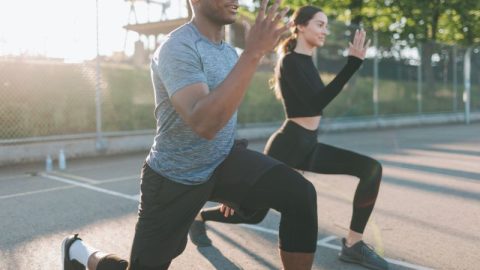
Senior Fitness and Social Wellness: A Guide to the Social Benefits of Exercise for Older Adults
This approach removes the barrier of needing a full hour for a workout, which is a misconception anyway. Some movement is always better than none, and you might be surprised by how much you can accomplish in a short burst of focused activity. Rewarding yourself along the way celebrates milestones and fuels further commitment toward achieving those long-term fitness habits. The buoyancy of the water supports your body and takes the strain off painful joints so you can move them more fluidly.
A balanced diet and consistency are key for lasting results. Everyone’s body responds differently, but this method offers a well-rounded, approachable framework that many people find effective. The mix of resistance training, low-impact movement and daily activity is great for overall health. Still, there’s limited research proving this method is better than other exercise plans for PCOS specifically.
Get Personalized Training — From Anywhere
The best way to stick to an exercise routine is to choose activities you enjoy. Whether it’s dancing, swimming, hiking, or practicing yoga, find something that makes you look forward to your workouts. Life is unpredictable, and sometimes, your routine may be disrupted. Rather than getting discouraged, adjust your schedule and find alternative ways to stay active. Even short workouts can be beneficial when time is limited. It means showing up, doing what you can, and making adjustments when life gets in the way.
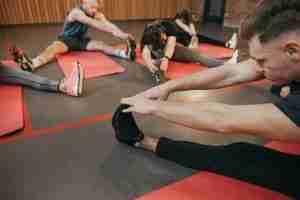
If you’re reading this, chances are you’re looking to shake up your fitness routine or maybe even start one from scratch. Today, we’re diving deep into the world of sustainable workout schedules – the secret sauce to achieving those long-term fitness goals you’ve been dreaming about. The key to creating a balanced weekly workout routine is ensuring you include a mix of strength, cardio, flexibility, and recovery.
Achieving Goals through Effective Monitoring
Working on your physical fitness takes time, energy and dedication. But whether you’re a dedicated fitness buff or just getting started, success often revolves around creating SMART fitness goals that have specific, achievable criteria. If you’re in good health, you should get at least 150 minutes of moderate cardio activity a week.
Focus on good recovery between workouts.
This high frequency is fantastic for beginners because it accelerates those initial strength and muscle gains. You’ll perform each workout once per week on non-consecutive days—think Monday, Wednesday, and Friday. For the goal of building muscle (a process called hypertrophy), the sweet spot is generally 3-4 sets of 6-12 repetitions per exercise. This is a huge change in how people approach their fitness. We’re finally realizing that the scale is often a terrible way to measure progress. A pound of muscle is way denser and more compact than a pound of fat.
Plateaus and Slow Progress
Keeping a record of your workouts can help you stay motivated and see how far you’ve come. Use a journal, app, or fitness tracker to log your activities and monitor improvements. It’s essential to listen to your body and adapt your routine as needed. Overtraining can lead to injuries and burnout, which can derail your progress. Ensure you’re providing your body with adequate rest and recovery time.
Strength Training for All Levels
Whether you’re looking to improve your overall well-being or seeking ways to enhance your physiotherapy experience, establishing a consistent workout regimen is key. Gaining physical, mental, and emotional well-being is possible with regular exercise. Achieving our fitness goals may seem overwhelming at first – but don’t be intimidated.
Make 7-9 hours of quality sleep a priority every single night. For anyone serious about their results, learning how to effectively speed up muscle recovery is a game-changer. Listening to your body and taking planned rest days will get you to your goals much faster and safer than trying to train seven days a week.
- As you navigate your DC fitness voyage at Onelife Fitness, rewarding yourself is integral to this process.
- 25 Gut Health Hacks is yours absolutely FREE when you sign up to receive health information from Harvard Medical School.
- Our advice would be to START with lighter weights and more reps as you learn the movement, and then decide if you want to stay at higher reps and lower weight or vice versa.
- Sign-up today to gain exclusive access to special offers, product drops, new workouts and upcoming events.
- It’s the “off” time when all your hard work in the gym actually translates into results.
- If you’re in good health, you should get at least 150 minutes of moderate cardio activity a week.
Make a plan and set realistic goals
The next course of action should be a personalized plan tailored toward achieving these unique objectives. This might involve incorporating different workout routines, including strength training for muscle gain or cardio workouts for shedding pounds. Research shows these successful lifestyle adaptations, including customized plans, yield better results than generic ones.
Aligning Fitness with Your Lifestyle
25 Gut Health Hacks is yours absolutely FREE when you sign up to receive health information from Harvard Medical School. Research has found that swimming can also improve your mental state and put you in a better mood. Get started with indoor cycling using these 10 YouTube cycling classes.
Each muscle group gets a chance to recover, and you’ll prevent overtraining. In general, cardio workouts, like cycling, https://madmusclescommunity.com/is-madmuscles-legit-addressing-common-concerns-88904bff003b running, and swimming, build aerobic fitness, endurance, and stamina. Strength training workouts, like bodyweight and free-weight circuits, foster strength and stability. A combination of the two (i.e. alternating cardio and strength-building days) allows you to create a well-rounded exercise routine. Most healthy people should opt for a mix—but always talk to your doctor about how to build a workout routine that’s right for you.
