

Understanding Belarus Sanctions: A Comprehensive Guide for Businesses
In the wake of increasing geopolitical tensions, sanctions against Belarus have become a focal point for businesses operating in the region or with Belarusian entities. It is crucial for companies to understand the complexities of these sanctions to ensure compliance and avoid severe penalties. For more information about the legal obligations surrounding Belarus sanctions, refer to Belarus sanctions guidance.
Overview of Belarus Sanctions
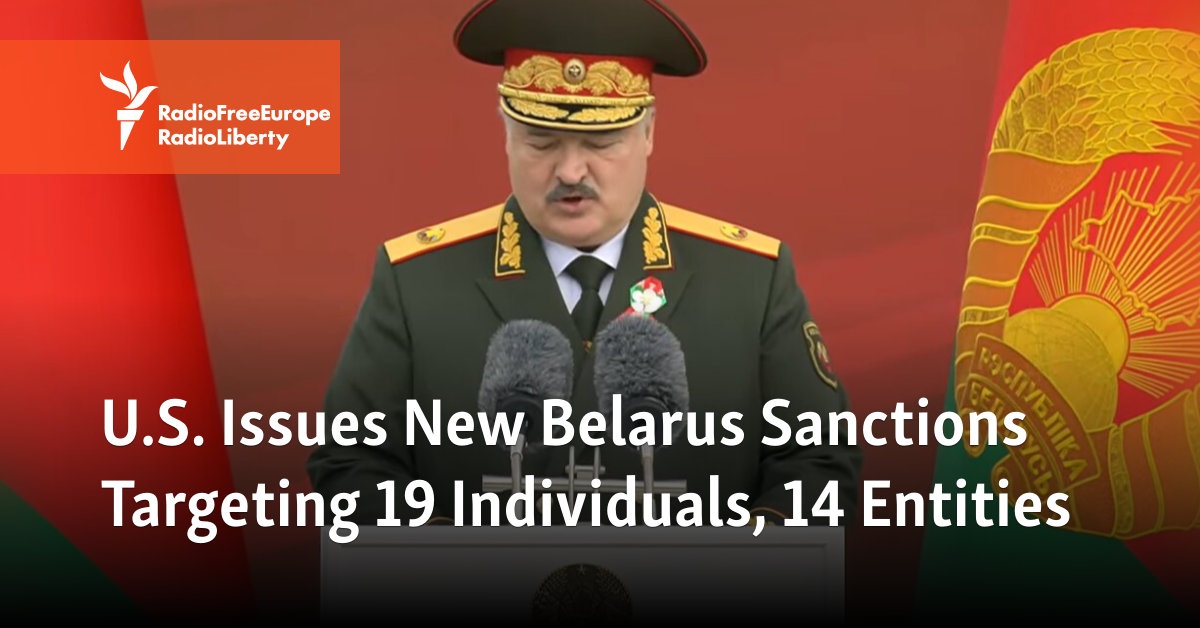
Sanctions against Belarus have been implemented by various countries and international organizations, including the United States, the European Union, and Canada. These sanctions are primarily a response to the country’s human rights violations, electoral fraud, and aggressive actions in regional conflicts. Understanding the scope and nature of these sanctions is essential for businesses engaged in trade, investment, or any form of economic activity connected to Belarus.
Types of Sanctions Imposed
Sanctions can vary significantly in their scope and application. Common types include:
- Trade Restrictions: Many countries have imposed restrictions on certain goods and services exported to or imported from Belarus.
- Asset Freezes: The assets of specific individuals and entities identified as being involved in the regime are often frozen, prohibiting transactions involving these assets.
- Financial Sanctions: Financial institutions may be restricted from conducting business with Belarusian banks or from processing transactions that involve Belarusian firms.
- Travel Bans: Travel restrictions may be placed on key Belarusian officials, limiting their ability to enter or transit through sanction-imposing countries.
Understanding Compliance Obligations
For businesses, compliance with sanctions is not merely a legal obligation but also an essential c

omponent of corporate risk management. Companies must assess their exposure to Belarusian entities and determine the extent to which they are impacted by these sanctions.
Key Steps for Compliance
- Conduct Due Diligence: Businesses should perform thorough due diligence on their partners, clients, and suppliers to ensure none are on the sanctions lists.
- Implement Compliance Programs: Establishing robust internal compliance programs to monitor and manage ongoing business relations with Belarusian entities is crucial.
- Training Staff: Regular training sessions for employees on sanction compliance can help organizations mitigate risks.
- Stay Informed: Regularly updating knowledge regarding changes in sanctions laws and regulations is necessary, as sanctions can evolve rapidly based on political developments.
Potential Consequences of Non-Compliance
The repercussions for failing to comply with sanctions can be severe. Businesses may face hefty fines, restrictions on their operations, or even criminal charges against responsible individuals. In some cases, non-compliance can lead to public relations issues, harming a company’s reputation and stakeholder trust.
How to Navigate Business Opportunities Amid Sanctions
Despite the challenges posed by sanctions, there may still be legitimate business opportunities within Belarus or with Belarusian entities. The key is to navigate these environments carefully, ensuring all actions comply with the applicable laws.
Identifying Opportunities
- Focus on Sectors Not Heavily Sanctioned: Some industries may not be as restricted as others. Identifying these sectors can create pathways for compliant business operations.
- Explore Humanitarian Efforts: Businesses engaged in humanitarian aid or essential services may find avenues to operate legally within sanctioned frameworks.
- Engage Local Experts: Consulting with local legal experts can help navigate the complexities and ensure all business dealings comply with international and local laws.
Conclusion
As the situation in Belarus evolves, so too do the sanctions imposed by the international community. It is imperative that businesses maintain a robust understanding of these changes and actively manage their compliance obligations. By implementing thorough due diligence, building strong compliance programs, and remaining educated on the shifting landscape of sanctions, businesses can not only protect themselves but potentially uncover opportunities even in challenging environments.
For further insights and detailed guidance, businesses are encouraged to refer to specialized resources and consultation services that focus on Belarus sanctions. Keeping abreast of developments will be key in navigating these turbulent waters while maintaining ethical and legal business practices.
