


I have spent years examining online slot mechanics across hundreds of titles, and few features require my attention quite like Hold and Win. This bonus structure changes a simple spin into a multi-layered event, locking valuable symbols in place and granting respins. It is a design that connects powerfully with UK players who value measured risk and clear progression. Rather than leaning on a single random outcome, Hold and Win creates tension through incremental accumulation, distinguishing it from many conventional casino games I evaluate regularly.
The Mental Draw That Connects with UK Players
Relying on behavioral science, I observe multiple reasons why Hold and Win has emerged as a staple in the UK market. The feature effectively leverages the goal-gradient effect, where motivation rises as a apparent target approaches completion. Seeing the grid fill slot by slot echoes progress bars in productivity apps, rendering each step gratifying. This is heightened by the near-miss phenomenon: when respins are exhausted one symbol short of a jackpot, the emotional impact becomes powerful, yet it rarely feels hopeless due to the visible progress made.
Regulatory acceptance also factors in. The UK Gambling Commission reviews features that may play on psychological vulnerabilities, yet the clear respin counter and fixed jackpot values conform to safer gambling standards. I have observed that developers often emphasize the feature’s non-misleading design in compliance documentation. For me, this balance between commercial appeal and player protection is a significant achievement, allowing Hold and Win to succeed without attracting the criticism directed at more opaque mechanics.
Another factor is the communal dimension. While not a live game, the displayed prize table and fixed jackpot tiers encourage comparison. Players discuss their proximity to the Grand, and the respin drama converts well into streaming content. I have watched UK streamers create entire sessions around going after a Hold and Win trigger, describing each sticky symbol as a mini-victory. This communal framing lifts the feature beyond solitary play, embedding it into modern gambling culture in a way that conventional bonus rounds seldom accomplish.
The Future Direction of Hold and Win Mechanics
Going forward, I expect the next generation of Hold and Win games to combine the mechanic with components from skill-based gaming and gamification. Imagine persistent progression bars that carry over between bonus rounds or a respin phase where a split-second timing tap halts the counter, adding a minimal interactive layer within regulatory bounds. While full skill elements stay restricted in UK slots due to licensing, even small player decisions could increase engagement without altering the outcome’s randomness.
I expect further fusion with jackpot network mechanics. Cross-game Hold and Win prize pools, where multiple linked titles feed to shared tiers, could turn more common. This would unite the individual session drama with communal jackpot growth, a model that functions well in UK bingo and lottery-style products. From a reviewer’s standpoint, this would add a meta-layer of strategy as players pick which title to play based on jackpot status, while still savoring the familiar respin feature.
Ultimately, the simplicity and adaptability of the Hold and Win framework indicate it will remain a staple rather than a fleeting trend. Its power to generate tension through resetting counters and visible accumulation engages fundamental reward pathways. As virtual reality and augmented reality casino experiences develop, I can envision the sticky symbol collection translating into tactile, spatial interactions. For now, the feature’s grounded, transparent design persists to set a benchmark I employ when evaluating new casino game releases across the UK market.
An In-Depth Comparison: Hold and Win Vs. Other Bonus Features
Gratis Spins Vs. the Respin Model
Standard free spin rounds grant a fixed number of spins with a modifier, like a multiplier or expanding wild. While fun, they often continue on autopilot, with the outcome largely dictated by the initial allocation. I find Hold and Win flips this dynamic by making every respin a potential turning point. The feature does not end after a fixed count; it ends only when progress halts. This reactive structure keeps me far more involved than counting down a predetermined free spin tally.
Perception of Control Throughout the Bonus
In spite of both formats being governed by random number generators, Hold and Win fosters a greater sense of agency. The resetting respin counter and the ability to fill the screen give me the impression of control, a psychological nuance I have studied extensively. Free spins, by contrast, feel inactive once launched. UK players I have communicated with through my work at Hold and Win Games often characterize the respin feature as “fairer,” presumably because visible progression is constantly updated rather than deferred.
Megaways System and Unlimited Multipliers
Megaways slots deliver dynamic reel heights and thousands of paylines, while cascading reels with unlimited multipliers create chain reactions. These mechanics shine at delivering rapid, volatile sequences. However, I note that they can overwhelm players who prefer steady incremental gains. Hold and Win occupies a middle ground, providing extended bonus rounds without the chaotic reel morphing. The grid remains structurally familiar, and the focus is on building a collection, not decoding shifting win ways.
For clarity, I highlight the key experiential differences:
- Volatility Control: Hold and Win games often smooth variance by guaranteeing small cash collections, while cascading Megaways can deliver zero returns after a long chain.
- Mental Demand: The respin format requires tracking one counter, whereas cascading titles demand constant reassessment of new symbol positions.
- Session Pacing: Hold and Win features tend to prolong engagement through repeated resets; Megaways sessions spike quickly and can end abruptly.
I am not saying one is superior, but for an analytical reviewer, the Hold and Win style provides a more predictable narrative arc. This consistency fits well with UK player preferences for games that can be enjoyed over extended sessions without extreme bankroll swings.
The way UK Developers Persistently Refine the Hold & Win Formula
Through my ongoing research at Hold and Win Games, I have observed an remarkable pace of innovation across UK-focused studios. Developers now consistently introduce dual Hold and Win grids that run simultaneously, increasing the symbolic collection potential. Some titles offer a “Power Hold and Win” layer where certain rows unlock enhanced multipliers during the respin phase. These iterations avoid stagnation and demonstrate that the core mechanic has substantial design headroom beyond its original template.
Buy-in options form another evolutionary branch. Certain games enable players to purchase direct entry into the Hold and Win feature for a multiple of the base stake. When regulated appropriately, this caters to those who prefer immediate access to the mechanic over waiting for an organic trigger. I maintain a neutral stance on feature buys, but their popularity implies that the respin loop is compelling enough to command a premium. This demand validates the feature’s standing among players who actively seek it out.
I am also noting a trend towards thematic integration. Rather than treating the bonus as an abstract reel overlay, newer releases weave the Hold and Win sequence into the narrative. A pirate-themed game might have treasure coins locking in a chest, while a mythic slot depicts it as collecting ancient relics. These touches may seem cosmetic, but from my analytical perspective, they enhance immersion and strengthen the emotional investment. By anchoring the mechanic in story, developers extend its shelf life far beyond a generic respin gimmick.
The Core Mechanics That Define Hold and Win Games
At its heart, a Hold And Win Online Gambling game initiates when a set of specified symbols lands on the reels. Usually, six or more bonus symbols launch the feature, granting three first respins. Each fresh bonus symbol that emerges resets the respin counter to three. The round concludes when respins are exhausted or every spot on the grid fills with a symbol. This basic rule set generates a dynamic where every spin can lengthen the feature, making the conclusion feel earned rather than haphazard.
I consider the mechanical clarity notably engaging from an analytical standpoint. Unlike features that depend on obscure multipliers, the Hold and Win structure is obvious. You always are aware of how many respins remain, and each new sticky symbol provides a visible step towards the grand prize. For UK operators supervised by the UKGC, this transparency aids responsible gambling by removing ambiguous feedback loops. Players can accurately track their progress, which I think bolsters trust in the game’s fairness.
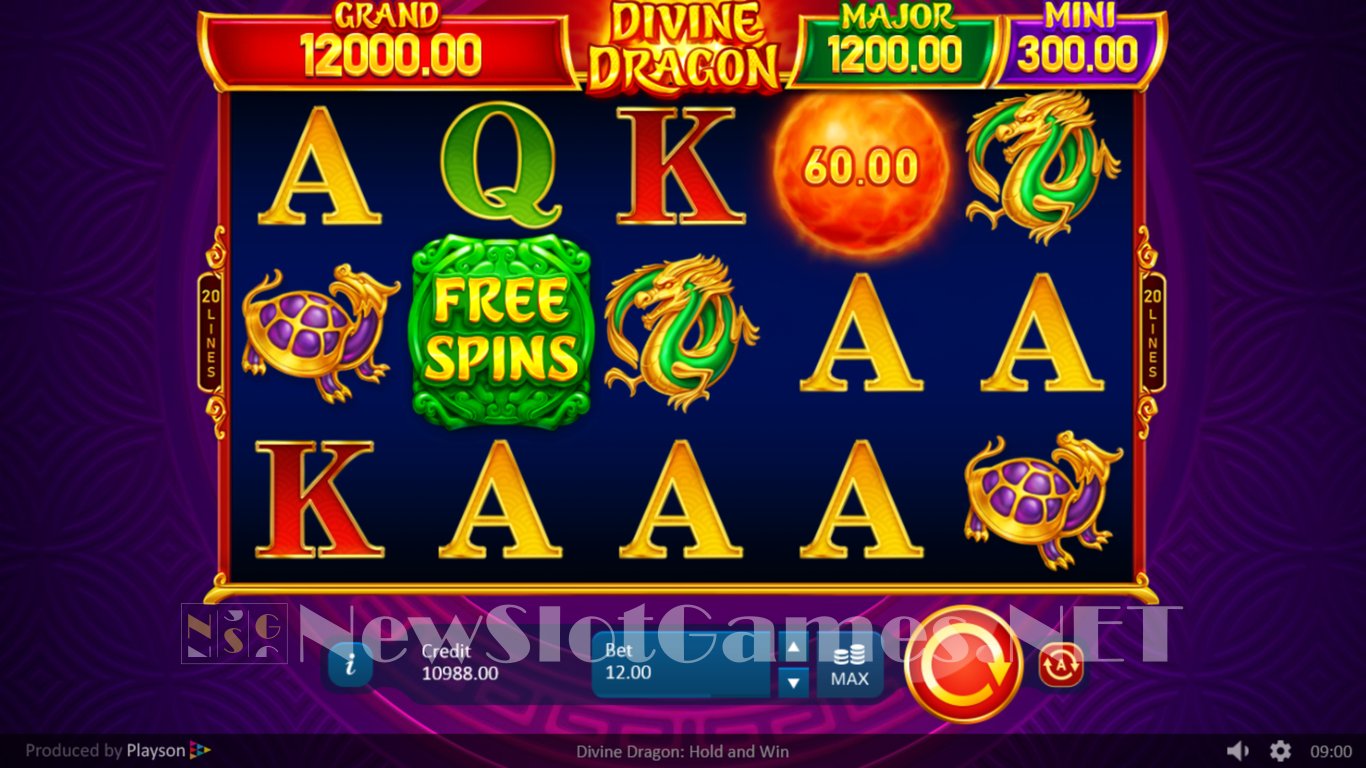
The presence of special symbols also enriches the mechanic. Collector symbols gather all shown cash values, boost symbols increase attached prizes, and jackpot symbols reveal fixed tiers. These features avoid the respin phase from turning into a tedious countdown. I have noted that developers tactically calibrate the frequency of these special symbols to sustain engagement without making the feature appear over-engineered. The result is a bonus round that rewards patience while still providing moments of authentic surprise.
Jackpot Levels and the Multiplier Framework
An aspect that consistently distinguishes Hold and Win games is the tiered prize system. The majority of games present four predetermined prizes—usually Mini, Minor, Major, and Grand—with each indicated by a separate symbol. When these drop during the respin phase, they freeze like any other bonus icon, but their value is predetermined. This differs markedly from progressive jackpots that climb unpredictably, providing rather a set maximum I can include in my session planning.
I appreciate that the Grand jackpot frequently needs filling every position on the grid, transforming it into a real target rather than a far-off chance. As the respin mechanism inherently moves the board towards full occupation, the chase feels incrementally achievable. Even if I don’t succeed, collecting a Major or two gives satisfying rewards. The multiplier ecosystem brings another dimension, with some games applying a multiplier to the total bonus win based on the triggering number of symbols. This favours bigger initial activations and generates inherent volatility.
Below is how I group the most common jackpot symbol behaviours I find across UK-facing titles:
- Mini and Minor: Regular minor payouts that sustain momentum during respins and avoid wasted rounds.
- Major: A intermediate payout usually demanding multiple symbols to unlock, forming a rewarding second goal.
- Grand: The complete board reward, saved for exceptional sequences, securing the round’s highest allure.
- Multiplier Boost: A element that multiplies all collected values by a factor when a specific symbol lands, significantly boosting end results.
This tiered reward system makes sure that nearly every bonus round yields a concrete outcome, even if humble. For players in the UK who like regular updates, this architecture delivers a more compelling play than jackpots that stay always unattainable. My analysis indicates this reliability enhances ongoing loyalty without breaking safe gaming guidelines.
Sensory and Aural Cues That Enhance the Experience
When I analyze why Hold and Win games captivate players beyond mathematics, I zero in heavily on sensory design. As the feature triggers, reels often darken and a dramatic musical swell signals the shift in stakes. Every respin lands with a pronounced thud, and each new sticky symbol emits a distinct chime. These audio markers are not accidental; they reinforce the notion that something important is happening, training the player to associate the soundscape with accumulating value.
Visual feedback follows a similar psychological track. The sticky symbols usually glow, pulse, or expand slightly, directing the eye directly to the growing cluster. When a Collector symbol appears and sweeps values together, animation sequences celebrate the combined total. I have noticed that the best implementations in the UK market avoid excessive screen clutter, allowing the central respin counter and prize table dominate. This clarity ensures that even during long bonus sequences, I never lose track of where I stand.
Colour grading plays an underrated role as well. Many Hold and Win titles shift from cool blues and purples in the base game to warmer golds and reds within the feature. This subtle temperature shift subconsciously communicates increased volatility and reward. From my testing, this technique mirrors theatre lighting changes, steering emotional responses without the player actively noticing. Combined with the respin rhythm, the entire presentation creates a self-contained dramatic arc that standard free spin rounds often struggle to match.
